The Future of Web Design in 2026: Trends Shaping the Modern Internet
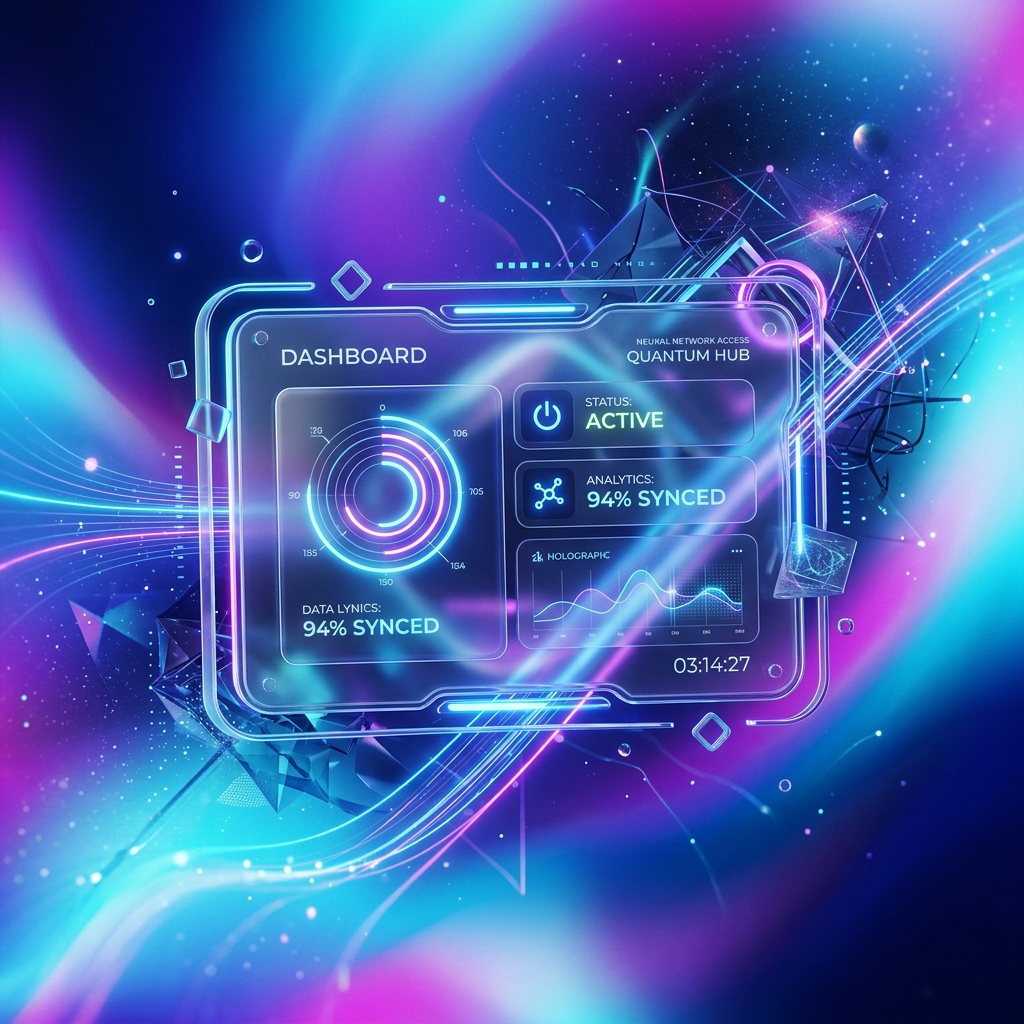
Web design in 2026 is undergoing a massive transformation. As internet speeds and browser technologies continue to advance, digital design has evolved from static layouts to living, breathing experiences. Today, websites are no longer simple digital brochures. Instead, they are interactive canvases that engage users through high-fidelity visual effects, smooth transitions, and smart layouts.
One of the defining aesthetics of this year is advanced glassmorphism. By utilizing subtle backdrop filters, frosty transparency, and soft gradient borders, modern web elements achieve a sense of physical depth. These semi-translucent layers let users see the background layers behind them, establishing a clear visual hierarchy. When combined with dynamic lighting effects that track mouse movement, glassmorphism creates a highly premium feel.
Another major trend is the widespread integration of organic micro-animations. In 2026, interactive feedback is highly sophisticated. Buttons don't just change color when hovered; they expand slightly, glow softly, and send tactile-like visual ripples across the screen. These small animations guide the user's attention naturally, signaling which actions are available and confirming when a click has been successful. This makes the overall browsing experience feel organic and alive.
Typography has also broken free from traditional limits. Designers are embracing bold, expressive typefaces like Outfit and Outfit Display, using varying weights and sizes to define layout structures. Combining large, heavy headers with clean, generous spacing makes long articles a pleasure to read. White space is no longer wasted space; it is a critical design element that lets content breathe and keeps users from feeling overwhelmed.
Ultimately, the key to great web design in 2026 is maintaining performance while pushing visual limits. Modern CSS frameworks like Tailwind CSS make it easy to craft these rich interfaces without bloating the code. By styling elements directly in the markup, developers ensure fast page load times, which are essential for both search engine optimization (SEO) and user retention. As we move forward, the most successful websites will be those that prioritize both visual excellence and lightning-fast speed.